Nominations now open — Submit before 15 December 2026 · Free to enterSubmit Now
Restaurants, chefs and producers

GlobalGastronomyAwards

Celebrating fine dining, independent restaurants, culinary talent, artisan food brands, beverage producers, and outstanding food and drink concepts.

Scroll to explore
About the Awards

Celebrating food, beverage & hospitality
at its finest

The Global Gastronomy Awards celebrates culinary excellence across the full spectrum of food and drink — from Michelin-starred fine dining and innovative independent restaurants to artisan food producers, exceptional bars, and the beverage brands reshaping global tastes.

Nominations are assessed by our panel of senior food and hospitality professionals, including chefs, critics, and industry leaders, against criteria for culinary quality, creativity, service, and sustainability.

"The Global Gastronomy Award is the recognition that chefs, restaurateurs, and food brands around the world aspire to — because it means something."

50+
Countries
650+
Winners
12
Core Categories
5
Years Running
Who Can Enter

Restaurants, bars, food brands, beverage producers, chefs, food artisans, and hospitality groups of all sizes, worldwide.

Street food pioneers and Michelin-starred establishments are equally eligible. The award celebrates culinary quality at every level.

Past Winners

Recognised for
excellence

McDonald’s Corporation
Gastronomy / Food & Drink
McDonald’s Corporation
McDonald’s Corporation has evolved from a single hamburger stand in San Bernardino into the world’s most recognizable restaurant brand. While McDonald’s is famous for burgers and fries, its business model is widely recognized as one of the most sophisticated real estate and franchise engines in the world. Instead of just selling food, McDonald’s primarily acts as a landlord and brand franchisor.
Subway
Gastronomy / Food & Drink
Subway
Founded in 1965 in Bridgeport, Connecticut, Subway is the world’s largest single-brand restaurant chain, specializing in customizable submarine sandwiches, wraps, and salads. Originally started by 17-year-old Fred DeLuca and family friend Dr. Peter Buck to fund DeLuca’s medical education, the firm has grown from a lone sandwich shop into a global fast-food pillar with approximately 37,000 locations across more than 100 countries.
Hakkasan Group
Gastronomy / Food & Drink
Hakkasan Group
Hakkasan Group is a premier global hospitality company recognized for redefining modern Cantonese cuisine and luxury nightlife. Currently, the group operates as an independent entity backed by Mohari Hospitality, following its strategic separation from Tao Group Hospitality in late 2025.
Zuma
Gastronomy / Food & Drink
Zuma
Zuma is an internationally acclaimed restaurant group that revolutionized the traditional Japanese izakaya dining style with a modern, luxury twist. Originally established in London’s Knightsbridge, the brand has grown into a global powerhouse in the luxury hospitality sector, operating 25 to 26 locations across major cities and resort destinations worldwide.
Gordon Ramsay Restaurants
Gastronomy / Food & Drink
Gordon Ramsay Restaurants
Gordon Ramsay Restaurants is a premier global hospitality group that has defined culinary excellence for nearly 30 years. Led by the multi-Michelin-starred chef, the business has grown from a single flagship in Chelsea, London—which has famously held three Michelin stars for over 22 years—into a diversified empire of over 90 restaurants spanning three continents and six countries.
Starbucks Corporation
Gastronomy / Food & Drink
Starbucks Corporation
What began as a single storefront selling whole-bean coffee and spices has transformed into a global cultural phenomenon with over 41,100 stores across 90 markets. Starbucks operates through a high-scale retail model that balances company-operated stores with licensed partnerships, anchored by its "Third Place" philosophy—creating a welcoming environment between home and work.
The Connaught Bar
Gastronomy / Food & Drink
The Connaught Bar
Opened in 2008, The Connaught Bar is a globally renowned cocktail destination located within The Connaught hotel in London’s Mayfair. Designed by David Collins Studio, the space is celebrated for its elegant, Cubist-inspired décor that blends 1920s English and Irish art with modern sophistication. The bar's business is defined by its meticulous devotion to the art of hospitality and table-side showmanship.
The Fat Duck
Gastronomy / Food & Drink
The Fat Duck
The Fat Duck is a world-renowned destination for culinary innovation and multisensory dining. Housed in a 16th-century building in the village of Bray, Berkshire, the restaurant has evolved from a simple French bistro into a global benchmark for gastronomic imagination, consistently maintaining three Michelin stars for over two decades.
Noma
Gastronomy / Food & Drink
Noma
Founded in 2003 by Chef René Redzepi and entrepreneur Claus Meyer, Noma is a globally acclaimed institution that redefined modern gastronomy through its "New Nordic" philosophy. Based in Copenhagen, the restaurant has earned three Michelin stars and has been named the world’s best restaurant five times. Its pioneering approach focuses on foraging, seasonal biodiversity, and local ingredients like ants, reindeer moss, and sea buckthorn.
Chipotle Mexican Grill
Gastronomy / Food & Drink
Chipotle Mexican Grill
Chipotle Mexican Grill is an American fast-casual restaurant chain that pioneered the "fast-casual" dining category by combining the speed of fast food with the quality and transparency of fine dining. Founded in 1993 by chef Steve Ells in Denver, Colorado, the brand is famous for its customizable burritos, bowls, and tacos, all prepared in an open-kitchen assembly line.
FoodCourt
Gastronomy / Food & Drink
FoodCourt
FoodCourt is a high-growth Nigerian food-tech startup that operates as a virtual restaurant company. Founded in August 2021 by Henry Nneji and Paul Iruene, it has transformed from a Lagos-based "cloud kitchen" into a major player in the African on-demand food market. FoodCourt operates over 15-16 unique, delivery-only brands under one roof. Popular brands include Jollof & Co. (Nigerian staples), Wrap City (shawarmas), and Good Greens (healthy options).
The Aviary
Gastronomy / Food & Drink
The Aviary
The Aviary is a world-renowned cocktail lounge in Chicago that treats drink-making as a high-end culinary art. The Aviary continues to push the boundaries of liquid gastronomy through technical rigor and experimental theater. Beyond its foundational ice program, the venue has expanded its influence through high-tech production and exclusive, curated experiences.
FYN
Gastronomy / Food & Drink
FYN
FYN is a Cape Town restaurant that brings South African ingredients into conversation with Japanese culinary ideas. Located above the city centre at Speaker’s Corner, it presents a tasting-menu experience shaped by regional landscapes, seafood, plants and carefully selected produce. The restaurant was founded by chef Peter Tempelhoff and collaborators Ashley Moss and Jennifer Hugé, whose roles span the kitchen, beverages and the wider guest experience. Its food combines local character with a restrained, detail-focused style of preparation and presentation. Seasonal menus can move between coastal ingredients, farm produce and South African game, while the beverage programme forms part of the overall experience. FYN is a useful prospect for categories covering independent fine dining, creative cuisine, culinary leadership and the relationship between local sourcing and contemporary hospitality.
Cultiva
Gastronomy / Food & Drink
Cultiva
Cultiva is a Nairobi restaurant associated with farm-to-table cooking and a produce-first approach to menu development. Based in the Karen area, the business emphasises seasonal vegetables, organic and heirloom crops, and the link between chefs and the people growing their ingredients. Its public materials present the venue as a dining environment in which sustainable sourcing and ingredient discovery are central to the experience. The restaurant describes a changing menu that makes room for plant-based options as well as carefully selected animal proteins. Cultiva also highlights cooperation with local farmers, artisans and young culinary talent, bringing a community dimension to its food offer. For the Global Gastronomy Awards, it could be relevant to farm-led dining, sustainability, contemporary African hospitality and restaurant concepts with a strong agricultural identity.
NOK by Alara
Gastronomy / Food & Drink
NOK by Alara
NOK by Alara is a Lagos restaurant known for exploring contemporary African cooking in a setting connected with the Alara cultural and lifestyle concept. The restaurant presents its cuisine as New African, building dishes around ingredients, tastes and traditions that reflect the breadth of the continent. Its menu and visual identity place as much attention on the setting and overall experience as on the individual plate. The business offers an example of how a restaurant can serve as a platform for culinary interpretation, design and cultural storytelling. Instead of being limited to a single national cuisine, NOK’s concept creates room for different regional influences and modern techniques. It is a potential fit for recognition relating to innovative African cuisine, distinctive restaurant identity, hospitality design and the role of dining spaces in promoting food culture.
Midunu
Gastronomy / Food & Drink
Midunu
Midunu is an Accra-based culinary venture founded by Ghanaian chef and food-systems advocate Selassie Atadika. The business develops dining experiences around the idea of New African Cuisine, drawing on seasonal produce, traditional grains, local ingredients and the food knowledge of communities across the continent. Its offerings include communal tasting experiences, private dining and selected off-site events, with service scheduled around active culinary seasons. The wider Midunu family also includes chef-crafted Ghanaian chocolates inspired by African flavours. Across its work, the company links hospitality to questions of origin, agriculture, culture and value creation. That makes Midunu distinctive as both a food business and a vehicle for culinary education. It could suit categories recognising chef-led entrepreneurship, culinary heritage, artisan production and innovative approaches to private or experiential dining.
NOMAD Marrakech
Gastronomy / Food & Drink
NOMAD Marrakech
NOMAD is a Marrakech restaurant presenting modern Moroccan food in a setting that connects contemporary dining with the atmosphere of the city’s medina. The restaurant’s stated emphasis is on local, fresh and seasonal ingredients, with traditional Moroccan dishes reconsidered through a modern menu. Its offering also includes internationally influenced plates given a recognisably Moroccan character. The restaurant operates within a wider local hospitality family, but has a distinct culinary identity of its own. NOMAD offers a useful example of how an established food tradition can be made accessible to both local customers and visitors without losing its sense of place. It may be relevant to awards for contemporary regional cuisine, restaurant experience, culinary tourism and thoughtful reinterpretation of heritage recipes.
QC
Gastronomy / Food & Drink
Question Coffee
Question Coffee is a Kigali coffee enterprise that combines a café and roastery with training and coffee-origin experiences. The venture works in connection with Sustainable Growers and women-led coffee production networks, using specialty coffee as a route to wider economic participation. Its consumer-facing work includes brewed coffee alongside coffee masterclasses, farm visits and opportunities to learn about Rwanda’s coffee supply chain. Question Coffee positions its products as the result of farmers’ expertise and the relationships built between growers, roasters and customers. The enterprise says that purchasing its coffee supports cooperative sourcing and training programmes for women farmers. Beyond the café itself, the model makes coffee education part of hospitality. It could fit categories involving specialty beverages, responsible sourcing, community-led gastronomy and innovative food-and-drink experiences.
Zooba
Gastronomy / Food & Drink
Zooba
Zooba is an Egyptian food brand that originated in Cairo and built its identity around everyday local dishes served in a colourful, contemporary format. Rather than presenting Egyptian food only in a formal restaurant context, Zooba reworks familiar street-food and home-style flavours for a modern casual-dining audience. Its public-facing brand retains a strong connection to Cairo, with a menu concept developed around recognisable Egyptian staples. The company’s growth beyond its original market shows how a local food identity can travel while remaining central to the brand. Zooba operates at the intersection of street food, restaurant design and scalable hospitality, appealing to customers who want familiar flavours in an accessible setting. It could be considered for contemporary casual dining, internationalisation of regional cuisines, food branding and customer-focused restaurant concepts.
Masque
Gastronomy / Food & Drink
Masque
Masque is a Mumbai fine-dining restaurant founded by entrepreneur Aditi Dugar and located in a former textile-mill setting. Its signature offering is a multi-course chef’s tasting menu developed around the range of ingredients and food traditions found across India. The kitchen, led by chef Varun Totlani, places emphasis on research, regional sourcing and modern culinary techniques rather than recreating familiar dishes without change. Its companion Masque Lab provides space for experimentation and product development, reinforcing the company’s ingredient-led philosophy. Seasonal menus reflect the work of local growers and producers and the kitchen’s exploration of India’s different food landscapes. Masque is relevant to awards covering culinary innovation, restaurant research and development, modern Indian cuisine and chef-led business concepts rooted in local produce.
Thevar
Gastronomy / Food & Drink
Thevar
Thevar is a Singapore fine-dining restaurant that presents a contemporary interpretation of Indian flavours. Its approach draws on the culinary heritage of the Malay Peninsula and India, combining familiar spices and ingredients with techniques acquired from different cooking traditions. The restaurant’s identity is built around a tasting-led experience, designed to make traditional references feel new without removing their cultural context. Operating from Mohamed Sultan Road, Thevar brings menu development, presentation and personal culinary perspective together in a relatively intimate restaurant format. Its dishes are intended to balance memories of regional food with the precision associated with modern fine dining. Thevar could be a prospect for categories including modern Asian gastronomy, chef creativity, fusion of culinary traditions and the evolution of independent fine-dining concepts.
100 Mahaseth
Gastronomy / Food & Drink
100 Mahaseth
100 Mahaseth is a Bangkok restaurant associated with regional Thai cooking, especially the flavours of Isan and northern Thailand. The kitchen is known for a nose-to-tail philosophy that treats less familiar cuts and offal as important ingredients rather than by-products. Local sourcing, traditional preparations and assertive regional seasoning form the basis of its menu, which also includes grilled dishes and seasonal specials. The restaurant has been profiled by the Michelin Guide for its approach to Thai ingredients and its careful balance of flavour. It shows how a clearly defined culinary point of view can help an independent restaurant distinguish itself within a crowded city market. The business could be considered for regional cuisine, responsible ingredient use, casual dining innovation and the preservation of traditional food practices.
Anan Saigon
Gastronomy / Food & Drink
Anan Saigon
Anan Saigon is a restaurant in Ho Chi Minh City created by chef Peter Cường Franklin. Located within the historic Chợ Cũ market area, it takes inspiration from Vietnam’s street-food culture and the produce sold by neighbourhood market traders. The concept adapts traditional dishes using contemporary preparation and presentation, while keeping familiar Vietnamese flavours at the centre of the experience. The restaurant offers tasting menus and individual dishes that reflect food traditions from different parts of the country. Related food-and-drink concepts in the same area extend its approach to cocktails and other Vietnamese specialities. Anan’s combination of market location, modern technique and recognisable local cuisine makes it a relevant prospect for culinary innovation, destination dining and the modernisation of heritage food.
Locavore NXT
Gastronomy / Food & Drink
Locavore NXT
Locavore NXT is a Bali dining concept that develops contemporary Indonesian gastronomy through research, experimentation and strong engagement with local ingredients. Building on the original Locavore project in Ubud, the business approaches a restaurant as a place for exploring relationships among food, agriculture, ecology and the techniques used to turn ingredients into a finished dish. Its name reflects a forward-looking extension of the original local-food philosophy. The concept is notable for placing food development and the wider ingredient system within the same story as guest hospitality. Its menus encourage diners to consider materials, seasons and local resources as part of the experience rather than background detail. Locavore NXT could be relevant to forward-looking dining, gastronomic research, regional food identity and sustainability-led restaurant concepts.
TE
Gastronomy / Food & Drink
Toyo Eatery
Toyo Eatery is a Makati restaurant led by chef Jordy Navarra and focused on interpreting Filipino cuisine through local ingredients, technique and cultural references. Opened in 2016, it offers a tasting experience that uses well-known dishes and everyday food memories as starting points for more detailed culinary exploration. The restaurant’s cooking is closely associated with ideas of Filipino terroir and the character of ingredients grown or produced in the country. Toyo’s dining approach connects food preparation with storytelling, sometimes inviting guests to take part in elements of the meal. This makes the restaurant more than a display of intricate plating: the experience is designed to encourage engagement with familiar flavours and their origins. It could suit recognition for national cuisine, ingredient sourcing, independent restaurant leadership and creative guest experiences.
Kurasu
Gastronomy / Food & Drink
Kurasu
Kurasu is a Kyoto-born specialty coffee business that combines coffee roasting, café operations and retail products. Its offering extends from freshly prepared drinks to roasted beans, subscriptions and carefully selected coffee equipment, giving customers different ways to engage with brewing at home or in a café. The brand’s visual identity and product range reflect a close interest in Japanese design and everyday coffee rituals. Kurasu’s business model shows how specialist food-and-drink expertise can develop into a broader consumer relationship through education, online retail and product curation. Coffee quality, preparation methods and the experience of buying or drinking coffee all form part of the proposition. It could be relevant to awards for independent beverage brands, specialty coffee, customer experience and food-related retail innovation.
The Clove Club
Gastronomy / Food & Drink
The Clove Club
The Clove Club is a London fine-dining restaurant based in the historic Shoreditch Town Hall. Led by chef-patron Isaac McHale, it presents a seasonal tasting menu rooted in British ingredients and contemporary cooking. The restaurant places strong emphasis on produce from the British Isles, using precise techniques to create dishes that draw on the chef’s experience and travels while retaining a recognisable sense of place. The service model aims to combine a high level of culinary detail with a welcoming, less rigid atmosphere. Its venue and menu create a clear identity within London’s competitive independent dining scene. The Clove Club is a possible prospect for categories covering fine dining, modern British cuisine, culinary leadership, seasonal menu design and the overall restaurant experience.
Septime
Gastronomy / Food & Drink
Septime
Septime is a Paris restaurant on Rue de Charonne that serves a regularly changing multi-course menu. Its approach is associated with seasonal produce, thoughtful sourcing and a contemporary style of French restaurant cooking. The dining experience centres on a chef-directed menu rather than an extensive fixed selection of individual dishes, allowing the kitchen to respond to what is available at a given point in the year. The wider Septime family includes other specialist hospitality concepts, but the original restaurant retains its own strong identity. Its careful attention to producer relationships and the relationship between food and accompanying drinks is an important part of the offer. Septime could be considered for seasonal gastronomy, restaurant concept development, modern French cuisine and independently led hospitality.
RE
Gastronomy / Food & Drink
Retrobottega
Retrobottega is a Rome restaurant concept centred on contemporary Italian cooking, modern presentation and an informal spirit of culinary discovery. The current business operates a restaurant and bar, with menu ideas linked to Mediterranean ingredients and modern interpretations of Italian dishes. Its dining offer highlights the importance of the experience around the food, including the atmosphere and the restaurant’s relationship with its city. The concept provides an example of how familiar Italian foundations can be adapted to a contemporary urban dining audience. Pasta, vegetables, local produce and thoughtful combinations can sit alongside a modern beverage offer rather than a strictly traditional trattoria format. Retrobottega could be relevant to awards recognising independent restaurant concepts, new interpretations of Italian cuisine and hospitality design.
Disfrutar
Gastronomy / Food & Drink
Disfrutar
Disfrutar is a Barcelona restaurant created by chefs Mateu Casañas, Oriol Castro and Eduard Xatruch, who previously worked together at elBulli. Opened in 2014, the restaurant uses a tasting-menu format to explore inventive culinary ideas while remaining grounded in Mediterranean food culture. Its approach treats flavour, technical research and a sense of play as connected parts of fine dining. Located in the Eixample district near the Mercat del Ninot, Disfrutar combines an open view of the kitchen with a dining environment inspired by Mediterranean materials and colour. Its dishes often challenge expectations of texture, form and presentation while placing enjoyment at the centre of the meal. It could be relevant to recognition for culinary creativity, research-led fine dining and chef partnerships.
Nobelhart & Schmutzig
Gastronomy / Food & Drink
Nobelhart & Schmutzig
Nobelhart & Schmutzig is a Berlin restaurant known for a carefully defined approach to food from the surrounding region. Its concept places producers and ingredients at the forefront of the dining experience, asking guests to consider where their meal comes from as well as how it is cooked. The restaurant is associated with a menu format built around the availability of regional produce and a distinctly personal style of hospitality. Its work reflects an interest in the economic and cultural relationships between a restaurant and its suppliers. Rather than relying on exotic ingredients or elaborate spectacle, the kitchen seeks character in what is locally grown, raised or made. Nobelhart & Schmutzig may suit categories focused on responsible sourcing, independent restaurant identity, regional gastronomy and supplier-led culinary thinking.
Prado
Gastronomy / Food & Drink
Prado
Prado is a Lisbon restaurant associated with contemporary Portuguese cooking and a strong focus on the freshness of its ingredients. Its approach is shaped by seasonal produce and the connection between chefs and Portuguese growers, fishers and other suppliers. The concept sits within a movement of restaurants that take local food traditions seriously while presenting dishes in a modern and informal dining environment. The restaurant’s identity is closely linked to vegetables, carefully sourced proteins and a menu capable of adapting to what producers offer. It highlights how a contemporary restaurant can create a distinctive experience without losing sight of familiar regional products. Prado is a prospective candidate for Portuguese gastronomy, ingredient-led menu development, sustainable sourcing and independent dining concepts.
Alchemist
Gastronomy / Food & Drink
Alchemist
Alchemist is a Copenhagen restaurant recognised for an immersive approach to dining that extends beyond conventional courses. The concept joins advanced culinary techniques with visual design, theatrical presentation and wider ideas about food systems and society. Guests encounter an experience that considers atmosphere, narrative and the senses as closely as the ingredients used in the kitchen. Its multidisciplinary format makes the restaurant a useful example of contemporary gastronomy as a creative production involving chefs, designers and other specialists. Food remains central, but the project also invites conversation about how dining can communicate ideas. Alchemist could fit categories covering immersive hospitality, experiential gastronomy, culinary innovation and the intersection of dining with arts and research.
Rosetta
Gastronomy / Food & Drink
Rosetta
Rosetta is a Mexico City restaurant created by chef Elena Reygadas and based in the Roma Norte neighbourhood. Its menu draws on a combination of Mexican ingredients and a cooking vocabulary that includes Italian influences, particularly in dishes built around pasta, vegetables and seasonal produce. The restaurant occupies a distinctive historic setting that has become part of its identity. Rosetta presents an approach to fine dining in which a restrained culinary style, carefully chosen ingredients and a neighbourhood atmosphere work together. The wider business has also developed related bakery concepts, reinforcing its reputation for craft and everyday food. It could be considered for contemporary Mexican gastronomy, restaurant entrepreneurship, culinary leadership and the relationship between pastry, bread and restaurant dining.
Central
Gastronomy / Food & Drink
Central
Central is a Lima restaurant whose dining concept explores Peru through the country’s ecosystems and changing altitudes. Guided by chefs Virgilio Martínez and Pía León and connected with the Mater research initiative, the business develops experiences around ingredients, landscapes and food traditions from different parts of Peru. Its menus are intended to tell a geographical story rather than simply assemble independent dishes. The restaurant describes collaborations with researchers, artists and local communities as important sources of knowledge. Ingredient discovery and documentation feed back into the culinary work, producing a close relationship between field research and the dining room. Central is particularly relevant to recognition for research-led gastronomy, place-based menu creation, cultural interpretation and innovative Peruvian cooking.
A Casa do Porco
Gastronomy / Food & Drink
A Casa do Porco
A Casa do Porco is a São Paulo restaurant built around pork as a central culinary ingredient and an expression of Brazilian cooking. Its concept considers different cuts, preparations and serving styles, giving customers a range of ways to experience a single, carefully developed food theme. The restaurant is based in the República area of the city and operates both reservations and walk-in seating. The business demonstrates how a focused culinary identity can support both accessible dishes and more involved kitchen work. Rather than following an all-purpose restaurant model, it makes ingredient knowledge and creative preparation the heart of the brand. A Casa do Porco could be considered for contemporary Brazilian cuisine, specialist restaurant concepts, ingredient-led menu development and creative casual dining.
El Chato
Gastronomy / Food & Drink
El Chato
El Chato is a Bogotá restaurant led by chef Álvaro Clavijo that explores Colombia’s biodiversity through contemporary cooking. Opened in 2017, it develops changing menus based on regional products, seasonal availability and work with local suppliers. Its offer includes both à la carte dishes and a tasting experience, providing different ways to explore the kitchen’s interpretation of Colombian ingredients. The restaurant describes its culinary approach as a continuing dialogue between tradition and modern technique. Strong producer relationships are part of this identity, allowing dishes to change as the kitchen discovers new ingredients and forms of preparation. El Chato is a compelling prospect for recognition related to innovative national cuisine, chef-led entrepreneurship, contemporary restaurant service and local sourcing.
Don Julio
Gastronomy / Food & Drink
Don Julio
Don Julio is a Buenos Aires parrilla located in the Palermo neighbourhood and centred on Argentina’s long tradition of grilling beef. The restaurant is associated with careful selection of meat, skilled preparation over fire and a dining experience that treats the steakhouse as a significant part of the country’s food culture. Its public-facing business also includes a related butcher-shop operation. The concept brings together ingredient sourcing, butchery knowledge, wine service and traditional hospitality. While the food is firmly rooted in the parrilla, the wider experience demonstrates how an established format can be refined through consistent attention to the product and guest. Don Julio could be relevant to recognition for specialist restaurants, food heritage, hospitality and the craft of fire-based cooking.
Boragó
Gastronomy / Food & Drink
Boragó
Boragó is a Santiago restaurant led by chef Rodolfo Guzmán and focused on Chile’s native ingredients and different natural environments. Its cuisine explores produce from the coast, mountains and other parts of the country, drawing on botanical research, foraging and the work of local suppliers. The restaurant’s tasting-menu format allows its team to build dishes around ingredients that may be little known outside their place of origin. Menus change with season and availability, reflecting the wide range of plants, seafood and other materials found across Chile. Boragó offers an example of a restaurant using contemporary fine dining to draw attention to biodiversity and food traditions. It is relevant to awards for regional gastronomy, indigenous ingredients, responsible sourcing and culinary research.
SI
Gastronomy / Food & Drink
Sikwa
Sikwa is a restaurant in San José that explores Costa Rican and Central American food traditions through the work of chef Pablo Bonilla and his team. Its approach places importance on ingredients, preparation methods and knowledge linked to Indigenous communities, with a particular interest in how traditional cuisine can be shared and understood by contemporary diners. The restaurant also describes itself as a place for learning and cultural exchange. Alongside à la carte dining, Sikwa develops tasting experiences that explore regional food stories in greater depth. Its model makes the relationship between cooks, communities and the food being served an essential part of hospitality. It could be relevant to awards celebrating culinary heritage, responsible cultural storytelling, independent restaurants and modern interpretations of Costa Rican cuisine.
Atomix
Gastronomy / Food & Drink
Atomix
Atomix is a New York restaurant founded by Junghyun and Ellia Park that presents Korean cuisine through a contemporary fine-dining format. The restaurant is particularly associated with an intimate tasting experience in which each dish is part of a wider story about ingredients, technique and Korean food culture. Its approach aims to give guests context for the culinary traditions and choices behind the menu. Atomix’s identity brings together cooking, visual presentation and carefully planned service rather than relying only on the individual dishes. It shows how a highly specialised restaurant can use a clear cultural perspective to create international interest. Atomix could be relevant to independent fine dining, Korean gastronomy, storytelling through food and the design of immersive guest experiences.
SI
Gastronomy / Food & Drink
SingleThread
SingleThread is a hospitality business in Healdsburg, California, combining a working farm, tasting-menu restaurant and small inn. Its restaurant draws heavily on produce grown at the company’s farm in Sonoma County, allowing chefs and growers to coordinate closely around what is ready to harvest. The project brings agricultural production into the planning of the dining experience instead of treating it solely as an external supply function. The business also creates a wider guest journey through accommodation, farm activities and other curated experiences. Its approach places seasonality and careful hospitality at the centre of both its menu and its operations. SingleThread could be considered for farm-to-table dining, luxury hospitality, restaurant sustainability and integration of food production with culinary service.
Dandelion Chocolate
Gastronomy / Food & Drink
Dandelion Chocolate
Dandelion Chocolate is a San Francisco chocolate business specialising in bean-to-bar production. The company works with cacao sourced from specific growing regions and develops chocolate bars, drinking chocolate, confections and related products. Rather than treating chocolate as a single standard flavour, it draws attention to how cacao origin and careful production choices affect the character of the finished product. Its activities also include retail locations, tastings, factory visits and educational events, creating direct contact between manufacturing and consumers. The model gives customers opportunities to learn about sourcing, roasting and the steps involved in making chocolate. Dandelion is a prospective fit for categories focused on artisan food production, chocolate craftsmanship, transparent sourcing and experiential food retail.
Alo Restaurant
Gastronomy / Food & Drink
Alo Restaurant
Alo is a Toronto fine-dining restaurant located on Spadina Avenue and organised around a contemporary tasting-menu experience. The kitchen’s approach emphasises seasonality, culinary technique and dishes that respond to ingredients at their best. Its understated service style forms part of the concept, with attention paid to how guests move through a meal and how the kitchen’s preparations are presented. Alo represents a specialised urban restaurant whose identity rests on consistency of food and hospitality rather than a broad menu or large-scale operation. It can serve as a prospect for categories covering contemporary Canadian dining, tasting menus, service experience and independent restaurant operations. Its public information also identifies spaces for dining-room, parlour and private reservations.
SOMA Chocolatemaker
Gastronomy / Food & Drink
SOMA Chocolatemaker
SOMA Chocolatemaker is a Toronto-based artisan chocolate business that works with cacao through the chocolate-making process to create bars, confections and other cocoa-led products. Its proposition is based on craftsmanship, the character of different origins and an interest in the techniques that shape flavour. SOMA’s retail operation also allows customers to explore a wider range of chocolate products than is normally found in mass-market confectionery. The company offers a useful example of independent food manufacturing whose identity grows from specialist knowledge rather than volume alone. From sourcing and recipe development to presentation and retail experience, each step supports its positioning as an artisan producer. SOMA may be relevant to chocolate craftsmanship, independent food brands, product creativity and premium specialty retail.
Partake Brewing
Gastronomy / Food & Drink
Partake Brewing
Partake Brewing is a Canadian beverage company focused on non-alcoholic beer. Its products are designed for customers who enjoy the taste and social role of beer while choosing beverages without the conventional alcohol content. The brand has developed a range of styles, allowing consumers to select different flavour profiles within the same broad non-alcoholic category. Partake’s business model reflects changing consumer expectations around choice, occasion and participation in social drinking. Product development, packaging and retail distribution are central to bringing these beverages to a wider audience. It could be a relevant prospect for categories recognising beverage innovation, alternative drink concepts, brand development and the growth of specialist food-and-drink businesses.
Orfali Bros
Gastronomy / Food & Drink
Orfali Bros
Orfali Bros is a Dubai restaurant project created by brothers Mohammad, Wassim and Omar Orfali. Their cooking is shaped by shared family roots and their experiences across different culinary cultures, producing dishes that make room for fermentation, contemporary technique and familiar flavours. The venue combines a creative bistro identity with a strong interest in pastry and dessert-making. The brothers’ approach puts experimentation alongside the memories and traditions that inform their food. Menus show a mix of ingredients and dishes that cannot be reduced to a single national style, reflecting Dubai’s international dining environment. Orfali Bros is relevant to categories recognising family-run gastronomy, chef creativity, modern Middle Eastern influences, independent restaurants and artisan pastry.
Kuuru
Gastronomy / Food & Drink
Kuuru
Kuuru is a Saudi-born restaurant brand specialising in Nikkei cuisine, which combines Japanese culinary techniques with Peruvian flavours and ingredients. Its Jeddah operation presents this cross-cultural approach through ceviches, nigiri, sharing dishes and carefully planned presentation. Public company materials describe the business as a partnership between Saudi hospitality operator Leylaty Group and MCK Hospitality from Peru. The restaurant is designed around several ways to experience the concept, from the main dining room to live preparation at the Nikkei bar and a specialised mocktail offer. The result is a hospitality business that uses cuisine, interior design and beverage service to reinforce a single identity. Kuuru could suit categories involving contemporary restaurant concepts, cultural fusion, service design and the development of Saudi gastronomy businesses.
Fusions by Tala
Gastronomy / Food & Drink
Fusions by Tala
Fusions by Tala is a restaurant concept at the Gulf Hotel Bahrain associated with chef Tala Bashmi. It is known for contemporary interpretations of Bahraini and wider Gulf flavours, using familiar recipes and ingredients as the starting point for inventive dishes. The restaurant operates in a fine-dining environment and presents local culinary heritage through modern cooking and presentation. Its approach brings Bahrain’s food traditions into a format that can reach international diners without losing the references that give the dishes meaning. As a restaurant based within a hotel, its ownership and nomination eligibility would need specific confirmation before outreach. Fusions by Tala may nevertheless be relevant to chef creativity, modern regional cuisine, distinctive dining concepts and professional culinary leadership.
Bait Al Luban
Gastronomy / Food & Drink
Bait Al Luban
Bait Al Luban is an Omani restaurant that presents traditional national dishes in a setting intended to evoke the country’s hospitality and cultural heritage. Its menu explores the flavours produced by Oman’s trading history, including ingredients and spice combinations influenced by routes linking Arabia with East Africa and India. Dishes include rice preparations, seafood, stews and specialities associated with Omani family cooking. The restaurant’s guest experience treats food and cultural atmosphere as connected elements of the offer. Its name references frankincense, a familiar symbol of Omani heritage, and the menu is presented as a way of sharing regional traditions. Bait Al Luban could be considered for culinary heritage, traditional restaurants, destination dining and the preservation of national food culture.
Tawlet / Souk El Tayeb
Gastronomy / Food & Drink
Tawlet / Souk El Tayeb
Tawlet is the farmers’ kitchen initiative of Lebanese social enterprise Souk El Tayeb. Its dining experiences are designed around home cooking and the stories of the women and other cooks who keep Lebanese regional recipes alive. Operating through several locations and related activities, Tawlet connects meals with farmers, producers, villages and the wider food traditions of the country. The broader organisation also works with farmers’ markets, food education and other community projects, placing the preservation of culinary heritage alongside economic participation. Tawlet’s format helps diners encounter dishes in a context that explains their origin and cultural importance. It is a particularly suitable prospect for categories involving community impact, food heritage, responsible gastronomy and social enterprise in hospitality.
Shams El Balad
Gastronomy / Food & Drink
Shams El Balad
Shams El Balad is an Amman restaurant and food concept recognised for a contemporary approach to food from Jordan and the wider Levant. Its menu draws on regional ingredients, herbs, vegetables and familiar preparations, with a dining experience that connects food, design and a sense of place. The brand places particular attention on the role of local produce and the cultural character of Jordanian hospitality. The business offers a useful example of how regional home-style cooking can be adapted to a modern restaurant setting without abandoning its foundations. Its identity is based on more than a single signature dish, bringing together sourcing, presentation and hospitality. Shams El Balad could be relevant to contemporary Levantine cuisine, seasonal menus, independent restaurant concepts and the promotion of local food traditions.
Award Categories

The sub-industries
we recognise

The Global Gastronomy Awards covers twelve categories spanning dining, beverages, culinary talent, and artisan food production.

01
Best Fine Dining Restaurant
Recognising the absolute pinnacle of culinary art, service, and atmosphere in world-class restaurants.
02
Best Independent Restaurant
Honouring locally-owned establishments that deliver exceptional food and unique dining experiences.
03
Best Casual Dining Concept
Celebrating high-quality dining experiences in a relaxed and accessible setting.
04
Best Bar or Cocktail Bar
Awarding excellence in mixology, atmosphere, and service in bars and lounges worldwide.
05
Best Artisan Food Producer
Recognising the small-batch producers creating exceptional food products with traditional skills.
06
Best Wine Producer or Merchant
Honouring the vineyards and retailers providing exceptional quality and expertise in the world of wine.
07
Best Spirits Brand
Celebrating excellence and innovation in the production of premium spirits and liqueurs.
08
Best Plant-Based or Sustainable Concept
Awarding concepts that lead the way in vegan, vegetarian, and environmentally conscious dining.
09
Best Culinary Experience
Recognising unique food-led experiences, from cooking schools to immersive dining events.
10
Best Street Food Concept
Celebrating high-quality, innovative food served in a street or market-style environment.
11
Chef of the Year
The individual award for a culinary leader demonstrating exceptional talent, creativity, and influence.
12
Restaurant of the Year
The flagship award for the dining establishment that has set the standard globally this year.
✦
...and many more

We recognise excellence across all specialized sub-categories and disciplines within Food, Beverage & Hospitality.

Editorial & Insights

Industry
perspectives

The latest dispatches, laureate interviews, and in-depth analysis from across the Food, Beverage & Hospitality landscape.

View All Articles→
Marriott Opens Hyde & Seek in London
Insights

Marriott Opens Hyde & Seek in London

Marriott has added a new dining and hospitality destination to its London portfolio with the opening of Hyde & Seek, a 309-room Tribute Portfolio...

Pizza Express Moves Into Food-to-Go at Thorpe Park
Insights

Pizza Express Moves Into Food-to-Go at Thorpe Park

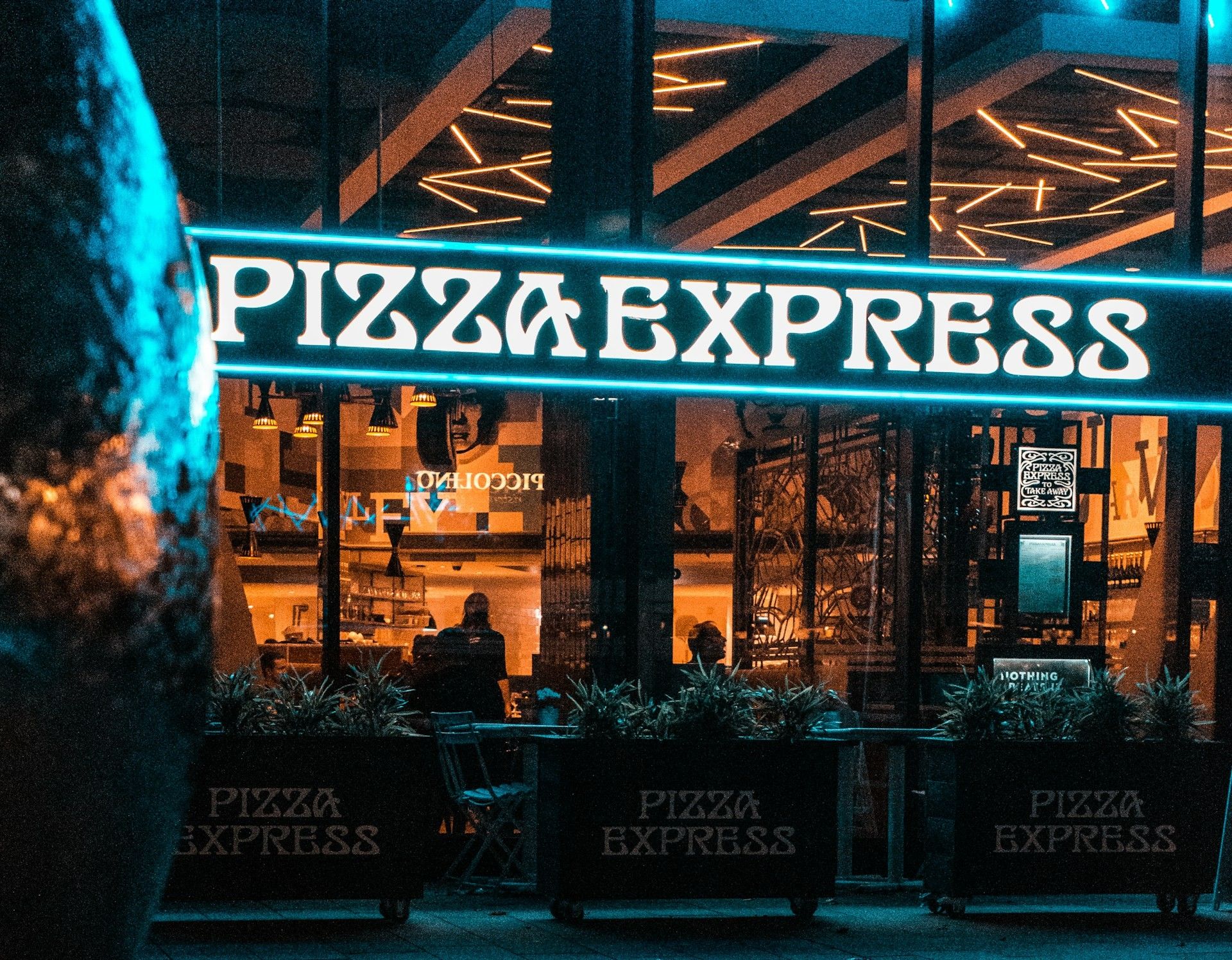
Pizza Express is taking its restaurant offering beyond traditional dining rooms with the launch of a new hot food-to-go concept at Thorpe Park in the...

Is Hojicha Becoming the Next Big Japanese Tea Trend?
Insights

Is Hojicha Becoming the Next Big Japanese Tea Trend?

Matcha has become one of the defining ingredients of the global food and beverage scene, appearing everywhere from lattes and pastries to ice cream...

Why Dubai and the Gulf Continue to Attract Global Restaurant Brands
Insights

Why Dubai and the Gulf Continue to Attract Global Restaurant Brands

Dubai and the wider Gulf region are continuing to strengthen their position as a destination for international restaurant brands, with established...

What DFI’s Starbucks Takeover Means for Asia’s Coffee Culture
Insights

What DFI’s Starbucks Takeover Means for Asia’s Coffee Culture

Asia’s coffee scene is entering another significant phase as DFI Retail Group prepares to take control of more than 1,100 Starbucks outlets across...

Crystal Jade Shuts Five Singapore Restaurants as F&B Industry Faces Rising Pressure
Insights

Crystal Jade Shuts Five Singapore Restaurants as F&B Industry Faces Rising Pressure

Crystal Jade has closed five restaurants in Singapore this year, marking a significant reduction in the footprint of one of the city-state’s...

Justin Yu Opens House of Louie in Houston
Insights

Justin Yu Opens House of Louie in Houston

Houston chef Justin Yu has opened House of Louie, a new restaurant in the city’s Montrose neighborhood that brings together French and Italian...

Uber’s $2.3 Billion ezCater Deal Signals a Bigger Push Into Corporate Catering
Insights

Uber’s $2.3 Billion ezCater Deal Signals a Bigger Push Into Corporate Catering

Uber is making a major move beyond individual meal deliveries, agreeing to acquire U.S. corporate catering platform ezCater for $2.3 billion in cash...

How It Works

A rigorous,
transparent process

Every nomination submitted to the Global Gastronomy Awards is assessed through the same independent, structured process — ensuring fairness, credibility, and genuine prestige for every winner.

  1. 01Free · about 5 mins

    Submit Your Nomination

    Complete the nomination form with details about the business, project, or professional you wish to put forward. Nominations are accepted year-round.

  2. 025–7 business days

    Initial Eligibility Review

    Our editorial team reviews all submissions to confirm eligibility, completeness, and alignment with the relevant category criteria.

  3. 03Shortlisted nominees

    Independent Evaluation

    Shortlisted nominees are assessed by our independent judging panel — senior professionals drawn from across the Food, Beverage & Hospitality industry internationally.

  4. 04Typically 4–8 weeks

    Winner Announcement

    Winners are notified, formally announced, and presented with their Global Gastronomy Awards digital credentials and certification.

  5. 05After announcement

    Profile Publication

    Each winner receives a dedicated profile page published on the Global Gastronomy Awards website, with backlinks and social promotion across the Global Awards network.

Nominate

Put forward
the best

Nominations are open to any individual, business, or organisation that meets the eligibility criteria. You may nominate yourself, a client, or a company you believe deserves international recognition.

  • ✓ Nominations are free to submit
  • ✓ Open to all sizes of business
  • ✓ International submissions welcome
  • ✓ All entries independently evaluated
  • ✓ Winners promoted globally
  • ✓ Dedicated winner profile pages
Submit Your Nomination
Free to enter. Open internationally. Takes 5 minutes.
FAQs

Common
questions

Everything you need to know about the Global Gastronomy Awards nomination process, eligibility, and what winners receive.

Who can nominate for the Global Gastronomy Awards?+
Anyone can submit a nomination — whether you are nominating your own business, a client, a supplier, or a company you admire. Nominations are open internationally to any Food, Beverage & Hospitality professional or organisation operating at a professional standard.
What are the eligibility requirements?+
How are winners selected?+
Winner Testimonial
"Being named a Global Gastronomy Award winner changed everything for us. Reservations doubled within a month and we attracted international press for the first time."
Chef Rafael Moreno
Moreno Restaurant Group — 2024 Winner, Best Independent Restaurant
Global Awards Group
Global Gastronomy Awards
Loading Experience